
Compliance Advice

Common Reasons Building Permit Applications Get Delayed

Key issues that can slow down approvals, from incomplete documentation to unresolved compliance matters.

Authorised Building SurveyorsUpdated May 20266 min read
Building permit documents and architectural drawings being reviewed for compliance before approval

Quick Answer

Building permit applications can be delayed when documentation is incomplete, drawings are inconsistent, consultant reports are missing, the project scope is unclear, or key compliance matters have not been addressed before lodgement. Early building surveying advice can help identify these issues sooner and support a clearer approval pathway.

Building permit delays can be frustrating, especially when a project is ready to move forward.

In many cases, delays are not caused by one major issue. They often come from a combination of smaller problems that make the application harder to assess. Missing documents, unclear drawings, unresolved compliance matters or inconsistent consultant information can all create unnecessary back-and-forth.

A building permit application needs enough clear and coordinated information for the building surveyor to assess the proposed work properly. When the information is incomplete or unclear, the process may slow down while further details are requested.

This article explains some of the common reasons building permit applications get delayed and how early preparation can help reduce avoidable issues.
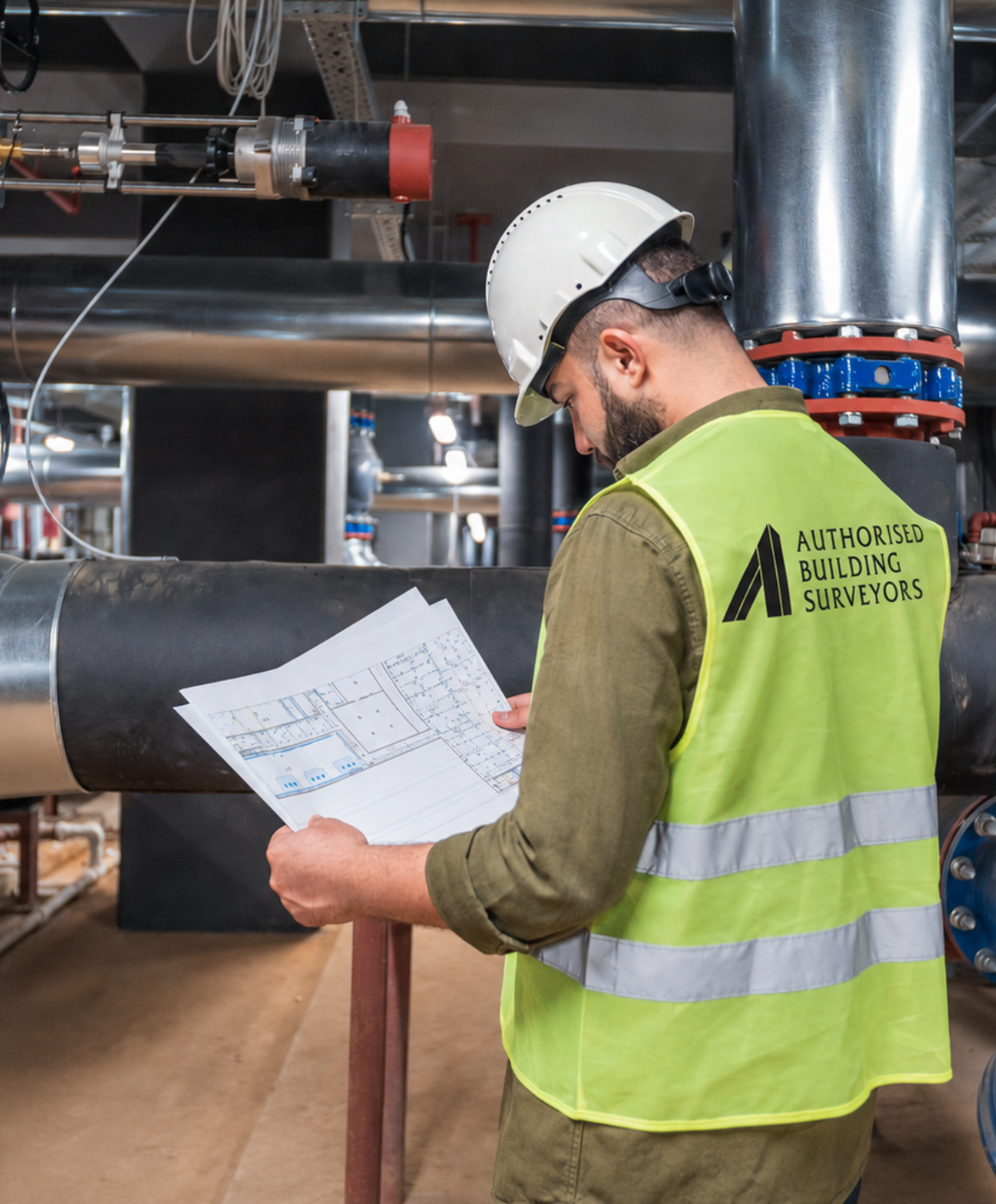

Why Building Permit Applications Get Delayed

A building permit application can be delayed when the information provided does not clearly show what is being proposed or how the work will meet relevant building requirements.

This does not always mean the project has a major problem.

Sometimes the issue is simply that the documentation is not complete, the scope is not clear, or different documents are saying different things.

Common causes of delay can include:

  • incomplete drawings
  • inconsistent documentation
  • missing structural information
  • missing consultant reports
  • unclear project scope
  • unresolved planning permit issues
  • existing building conditions
  • late identification of compliance requirements
  • performance solution matters being raised too late

The earlier these matters are identified, the easier they are to manage.

Incomplete or Inconsistent Documentation

Incomplete documentation is one of the most common reasons a building permit application can slow down.

The building surveyor needs enough information to understand the proposed works and assess the application. If key drawings, specifications, reports or details are missing, further information may be required before the review can progress.

Inconsistent documentation can also create delays.

For example:

  • architectural drawings may show one design
  • structural drawings may show another
  • consultant reports may refer to outdated plans
  • specifications may not match the drawings
  • the scope in the application form may not match the plans

When documents do not align, the project team may need to clarify or revise the information before the application can move forward.

Unclear Project Scope

A clear scope is important because it helps everyone understand what is actually being assessed.

If the scope is vague, incomplete or changing during the process, the building permit review can become more difficult.

A clear scope should explain:

  • what work is proposed
  • where the work is located
  • whether it is new work, alteration, extension, demolition or change of use
  • whether the project is residential or commercial
  • whether existing building conditions are involved
  • which parts of the building are affected

Delays can occur when the application does not clearly define the work or when the drawings show more than what has been described in the application.

A clearly defined scope helps create a more structured approval pathway.

Missing Structural Information

Structural documentation may be required where the project involves structural work.

This can include:

  • structural drawings
  • engineering computations
  • footing or slab details
  • framing information
  • retaining wall details
  • bracing information
  • structural certification where relevant

If structural information is missing or incomplete, the building surveyor may need to request further information before the application can be assessed properly.

This is especially relevant for:

  • extensions
  • new buildings
  • upper-floor additions
  • alterations to load-bearing walls
  • large openings
  • retaining walls
  • commercial fit-outs affecting existing structure

Early coordination with the structural engineer can help reduce delays later in the process.

Missing Consultant Reports

Some projects require supporting information from consultants.

The exact reports required depend on the project, but may include:

  • fire safety reports
  • access consultant reports
  • energy efficiency reports
  • geotechnical reports
  • civil drainage information
  • essential safety measures information
  • bushfire assessment information
  • performance solution reports
  • existing building upgrade advice

Not every project needs every report.

However, delays can occur when a report is required but has not been prepared, or when the report does not align with the drawings or other consultant information.

Consultant coordination is especially important for commercial projects, existing building upgrades and more complex approval pathways.

Planning and Building Permit Confusion

A planning permit and a building permit are not the same thing.

A planning permit relates to how land is used or developed under the planning system. A building permit relates to whether proposed building work complies with relevant building requirements.

Some projects may require both.

Delays can happen when:

  • a planning permit is required but has not been obtained
  • the building permit drawings do not match the planning permit drawings
  • planning permit conditions affect the building design
  • changes are made after planning approval but before the building permit application
  • the project team assumes one permit replaces the other

Before lodging a building permit application, it is useful to confirm whether a planning permit is required and whether the building permit documentation aligns with any planning approval.

Existing Building Conditions

Projects involving existing buildings can create additional complexity.

This is common in:

  • commercial fit-outs
  • change-of-use projects
  • building upgrades
  • alterations to older buildings
  • works involving existing fire safety or access arrangements

Delays can occur when there is not enough information about the existing building.

Useful information may include:

  • existing floor plans
  • previous building permits
  • occupancy permit or certificate of final inspection information if available
  • essential safety measures information
  • photos of existing conditions
  • details of current and proposed use
  • information about previous alterations

Existing conditions can affect the approval pathway, documentation requirements and compliance considerations.

Compliance Issues Raised Too Late

Some delays happen because compliance matters are only identified after the design has already progressed too far.

This can include issues relating to:

  • fire safety
  • access
  • energy efficiency
  • structural adequacy
  • building classification
  • change of use
  • protection works
  • performance requirements
  • existing building upgrades

When these issues are considered early, there is usually more opportunity to respond properly.

When they are identified late, they may require design changes, consultant input or additional documentation.

This is why early building surveying advice can be valuable.

Performance Solution Matters

Some projects cannot follow a straightforward Deemed-to-Satisfy pathway.

Where an alternative compliance pathway is needed, a performance-based solution may need to be developed, reviewed and properly documented.

Delays can occur when performance solution matters are identified late or when the supporting documentation is incomplete.

This is especially relevant for projects with:

  • non-standard design elements
  • complex existing conditions
  • commercial or mixed-use buildings
  • fire safety considerations
  • access considerations
  • alternative compliance approaches

Early identification of potential performance solution requirements can help project teams understand the pathway before the permit process becomes pressured.

How Better Preparation Can Help

Not every delay can be avoided, but many common issues can be reduced with better preparation.

Before applying for a building permit, it helps to:

  • define the project scope clearly
  • coordinate drawings and reports
  • identify consultant inputs early
  • check whether planning approval is required
  • consider existing building conditions
  • ask early questions about compliance
  • engage a building surveyor before documentation is finalised

A clear and structured approach can reduce unnecessary back-and-forth and help the project team understand what is required.

A Clearer Pathway Forward

Building permit delays are often the result of unclear information, missing documents or unresolved compliance matters.

The solution is not simply to move faster. It is to prepare properly.

When documentation is coordinated, consultant input is identified early and the approval pathway is understood, the permit process becomes easier to manage.

Early advice from a building surveyor can help clarify what is required and support a smoother path forward.

Practical Checklist

Is the project scope clearly defined?
Are architectural drawings complete and coordinated?
Are structural documents included where required?
Are consultant reports prepared and aligned with the drawings?
Has planning permit status been checked?
Do the building permit documents match any planning approval?
Are existing building conditions understood?
Are compliance matters being addressed early?
Is a performance-based solution likely to be required?
Has the building surveyor been engaged before lodgement?

Need clarity before moving forward?

Authorised Building Surveyors can provide clear advice on approvals, compliance requirements, and the most appropriate pathway for your project.

Speak With Us

Common Questions

Building permit applications can be delayed when documentation is incomplete, drawings are inconsistent, consultant reports are missing, the project scope is unclear or compliance matters have not been resolved before lodgement.

Get In Touch

Speak With Us.

For clear, accountable building surveying and compliance advice, get in touch with us. Early engagement can reduce risk and support a more efficient approval pathway.